Some vehicle problems are consistent. Others appear only under certain conditions, which makes them harder to diagnose. One of the most confusing situations for drivers is when the transmission feels unreliable during the first few minutes of a drive, yet behaves perfectly once the vehicle is warm.
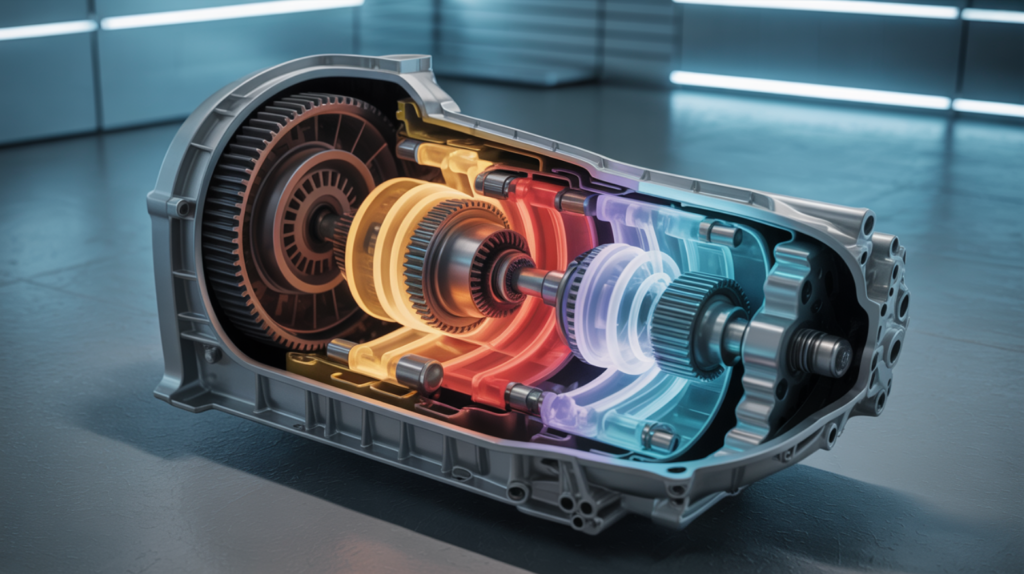
That contrast between cold and hot performance is not accidental. It reveals how temperature directly influences the mechanics of gear engagement.
The Cold-Start Behavior That Drivers Notice
On a cold start, the car may hesitate when pulling away from a stop. Acceleration feels soft. Gear changes lack their usual firmness. Yet after several minutes of driving, the same transmission shifts smoothly and responds normally, as if nothing was ever wrong.
This pattern often appears alongside the cold-start slipping behavior described in Why Your Transmission Slips Until It Warms Up, because both problems share the same mechanical roots.
What Changes Inside the Transmission as It Warms
Temperature reshapes how the transmission operates. Cold fluid moves slowly and builds pressure reluctantly. Internal seals tighten, and moving parts encounter more resistance. As heat rises, fluid flows freely, pressure stabilizes, and internal components return to their optimal working clearances. This transformation explains why the same transmission can feel unreliable in the driveway but perfectly healthy ten minutes later.
However, this improvement after warm-up should not be mistaken for safety. A transmission that depends on heat to function properly is already operating outside ideal conditions.
Why This Pattern Deserves Attention
When cold performance consistently differs from warm performance, the system is quietly signaling wear or imbalance. The most common contributors include aging fluid, weakened seals, partially restricted fluid passages, and gradual clutch degradation. Each of these issues becomes more visible when the system is under cold stress.
In some vehicles, the situation can progress into extended hesitation before the transmission fully engages, a more serious version of the same problem discussed in Transmission Delayed Engagement in Cold Weather.
How Drivers Can Reduce the Strain
Gentle acceleration during the first few minutes of driving gives the system time to stabilize. Regular fluid replacement before winter improves pressure consistency. Monitoring shift quality from season to season helps catch developing problems while they are still manageable.
This hot-versus-cold performance pattern is one of the clearest signs that temperature is influencing the transmission’s internal balance. To understand how this behavior fits into the larger picture of winter driving issues, it helps to explore the full overview of cold-weather transmission problems.
A Practical Perspective
A transmission that only behaves properly after warming up is not “normal.” It is functional, but under stress. Cold weather simply exposes the imbalance that already exists inside the system.
Paying attention to that early warning preserves performance, extends the life of internal components, and prevents minor winter symptoms from turning into major mechanical failure.